Review101
What Is an Olympic Barbell? A Beginner’s Guide to Strength Training Bars
The Olympic label tells you what kind of plates to look for, not how heavy the empty bar is. Here’s how the bar works, what the main styles are for, and whether you need one at home.
Read the article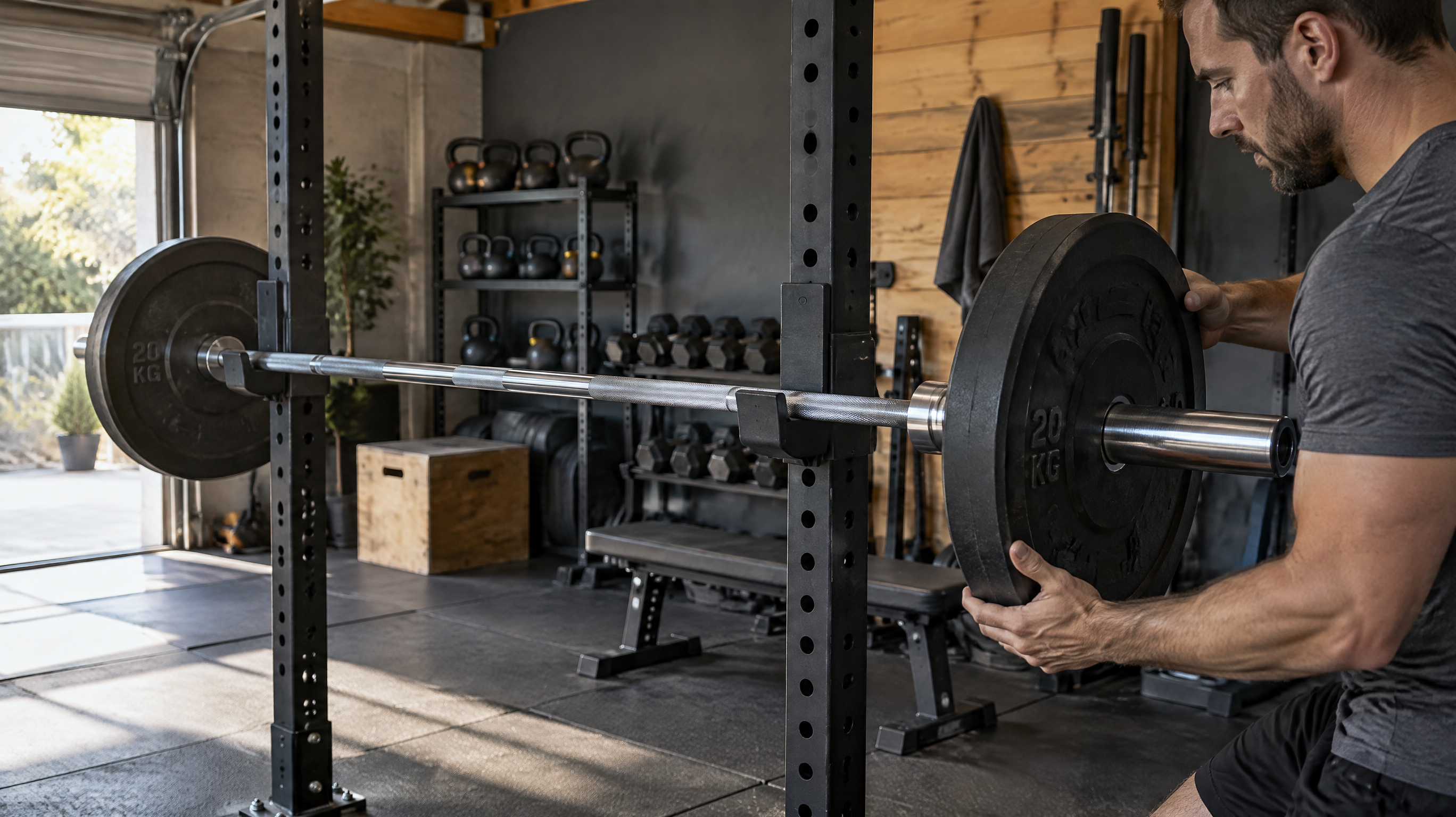
Some links may earn us a commission, at no extra cost to you. How we’re supported
In this article 7 sections
Start with your needs
If you’re not sure which straight-bar lifts you’ll want to keep doing, get familiar with a gym’s bar, plates, and rack first.
Consider a home setup if straight-bar lifts are a regular part of your training and the bar, plates, and supporting equipment fit your space.
Use dumbbells if you need a lighter starting load or easier storage. If you specifically want to practice with a straight bar, look for a lighter training bar.
As an Amazon Associate, we earn from qualifying purchases. Research-based analysis; no hands-on testing.
The short answer
An Olympic barbell is useful if you want to do several straight-bar lifts and change the load with plates. You don’t need to own one to start strength training: try your gym’s setup first, or use dumbbells if you need a lighter starting weight or equipment that’s easier to put away.
Worth considering if
- Beginners who want one adjustable setup for several straight-bar lifts.
- Home lifters who already have compatible plates and a place to use and store them.
- Lifters who want to practice powerlifting or Olympic weightlifting movements.
Hold off if
- The empty bar is too heavy for a movement you want to practice.
- You can fit the bar in the room but can’t load it clear of walls or furniture.
- You haven’t confirmed rack fit, or your gym already has the setup you need.
Choose your next step
Ready to compare?
See the differences, tradeoffs and who each model suits.
Compare the products →

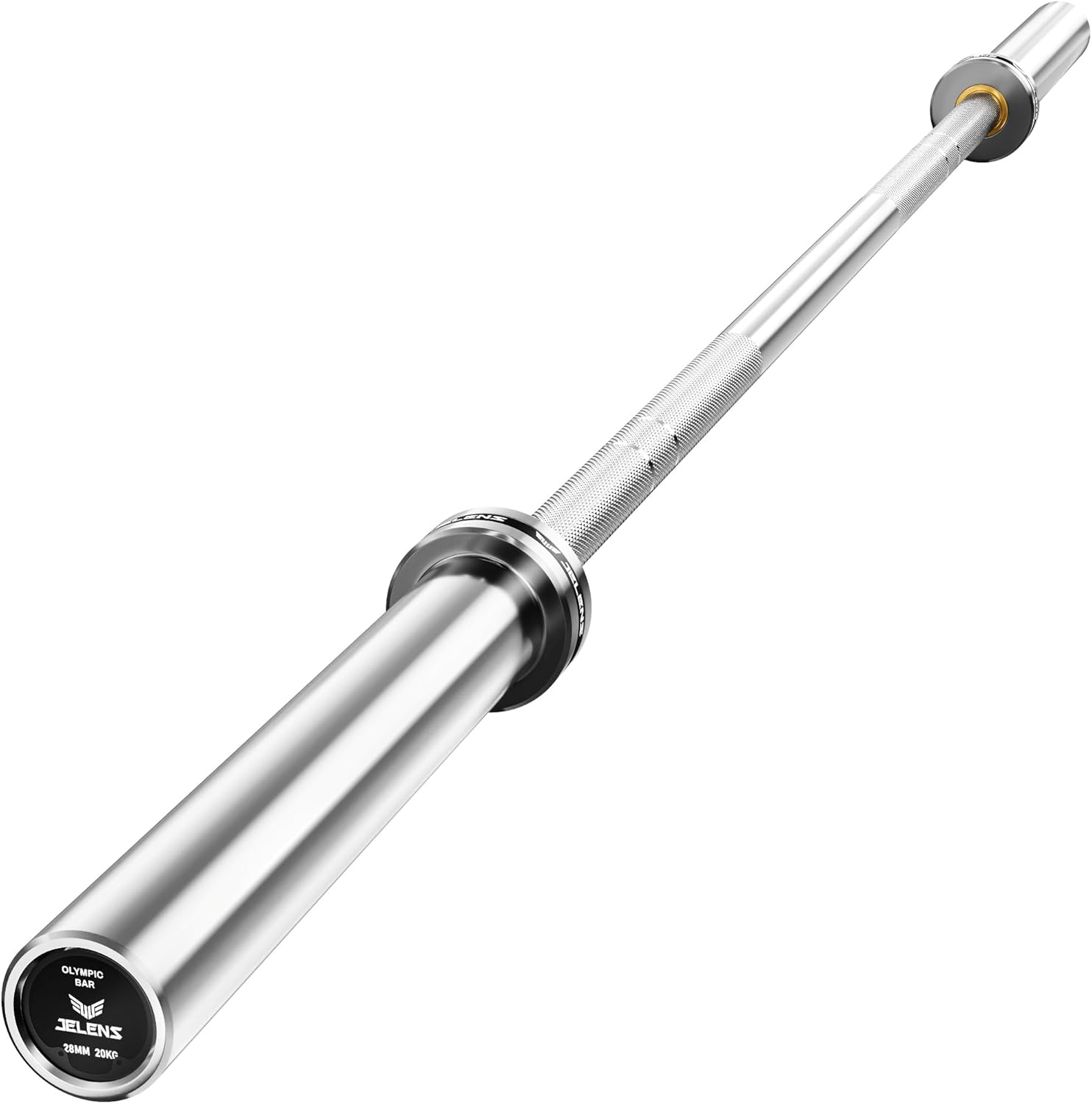
What does “Olympic” mean on a barbell?
In most retail listings, “Olympic” means the bar accepts plates with nominal 2-inch center holes. That size refers to the opening in the plate and the sleeve it slides onto, not the part of the bar you grip. If you already own plates with 1-inch holes, they won’t slide onto Olympic sleeves.
Plate compatibility is not competition approval. If you plan to compete, check the rules of the organization running your event rather than relying on the word “Olympic” in a listing.
A 7-foot bar doesn’t necessarily weigh 45 pounds. For example, CAP’s 7-foot strength bar lists an item weight of 35.3 pounds, while a PAPABABE bar of similar length lists 20 kilograms, about 44 pounds, and is advertised as 45 pounds. Check the unloaded weight of the exact bar, especially if you’re tracking your total load or deciding whether the empty bar is light enough.
Calculate the total weight on the bar
See the movement
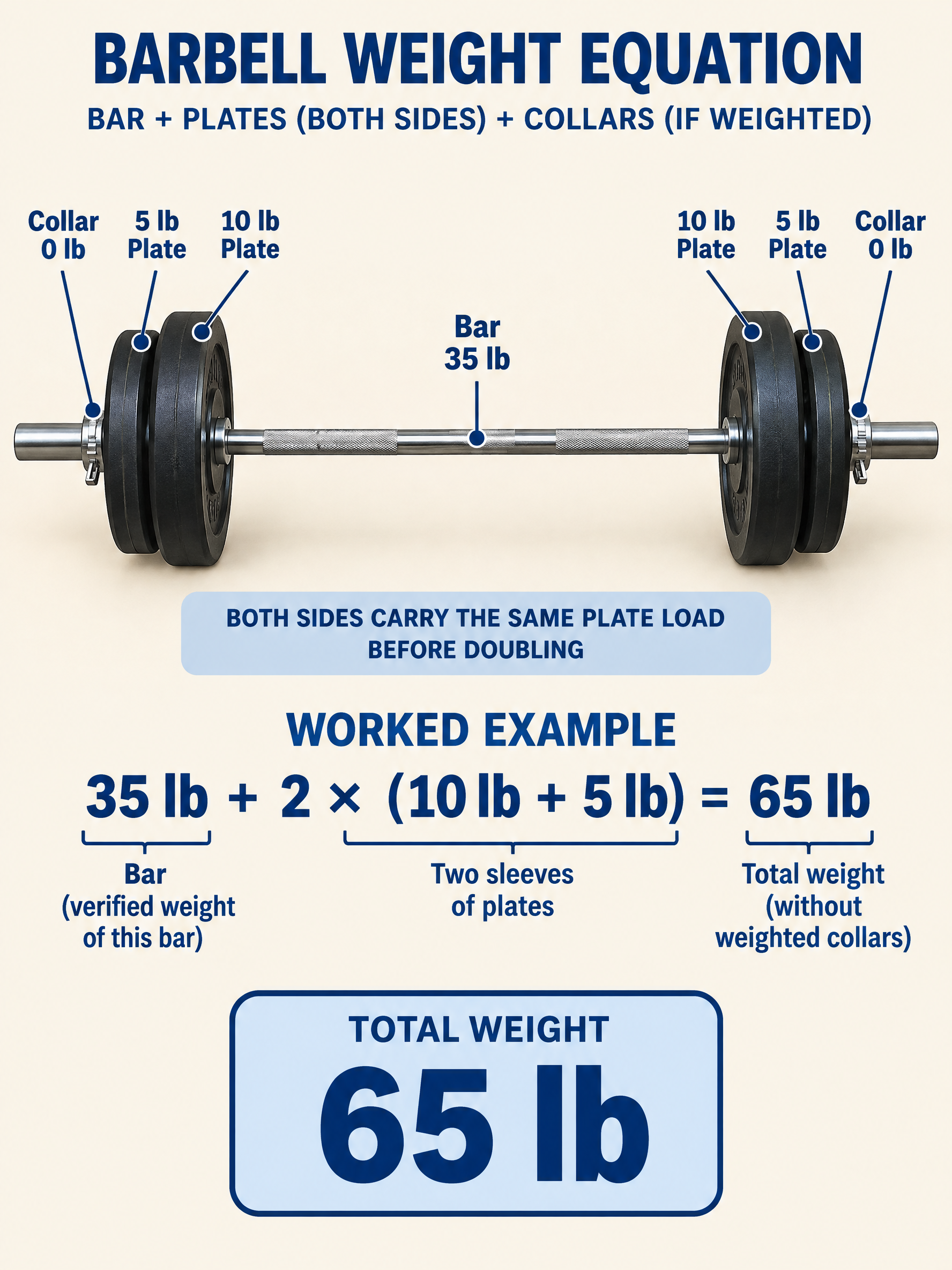
Animate matching plate stacks sliding onto both sleeves, then build the weight equation. Cut to the unloaded bar centered on the hooks and reveal the two measurement spans and the clearance at each end.
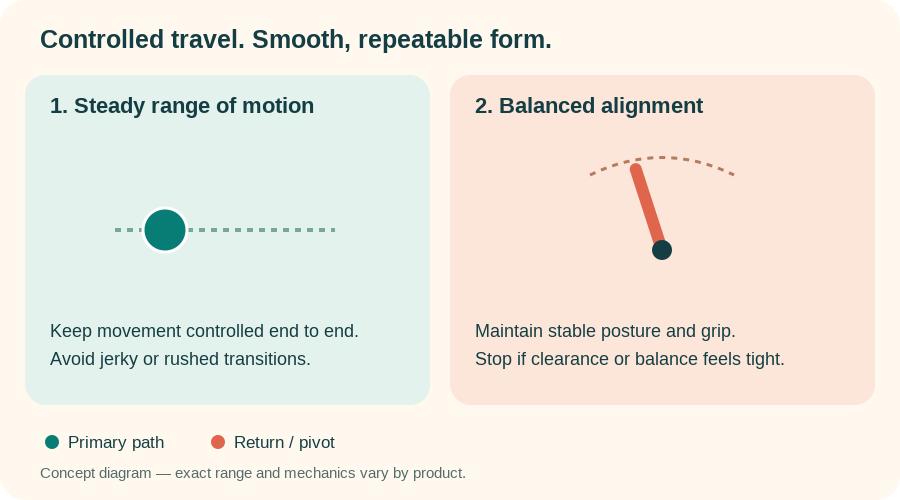
Simplified motion diagram. Exact range and mechanics vary by product.
- Start with the empty bar
Use the verified weight of the bar you’re holding rather than assuming it weighs 45 pounds.
- Check the plates on both sides
Add up the plates on one sleeve and confirm the other sleeve carries the same load.
- Add it all together
Double the plate total from one side and add the bar weight. Include the weight of both collars if you’re using weighted collars.
From shaft to sleeve: how a barbell holds and moves weight
The shaft is the long middle section you grip. Its textured patches, called knurling, give your hands more purchase than a smooth surface. The thicker ends are the sleeves. Weight plates slide onto the sleeves to add load, and removable collars go outside the plates to keep them from sliding outward.
On a bar with rotating sleeves, the shaft can turn in your hands without making the plates turn with it. CAP lists rotating sleeves on its general strength bar, while PAPABABE describes a design that uses both needle bearings and bushings. Those descriptions tell you how the bars are built, not how freely either one spins under load.
Choose your next step
Which model fits your needs?
See the differences, tradeoffs and who each model suits.
Compare the products →General-purpose bars, compact bars, power bars, and weightlifting bars
A general-purpose bar is meant for a mix of lifts rather than one sport. A compact bar solves a different problem: it takes up less room end to end. One LIONSCOOL compact model is listed at 47.2 inches overall. A shorter bar can be easier to store, but it may not sit across the hooks on your rack.
A power bar is designed around the squat, bench press, and deadlift. The Bells of Steel Barenaked Powerlifting Bar 2.0, for example, lists a 51.5-inch shaft and a 29 mm grip diameter. The shaft length describes the middle section, not the full bar; the grip diameter tells you how thick that section is in your hands.
An Olympic weightlifting bar is designed for the snatch and the clean and jerk. Sleeve rotation matters most during the quick turnover in the snatch and clean: the shaft can turn as you move under the bar without your hands having to turn the loaded plates along with it. If those lifts aren’t part of your plans, you don’t need a dedicated weightlifting bar just to use Olympic plates.
Check whether a bar fits your rack
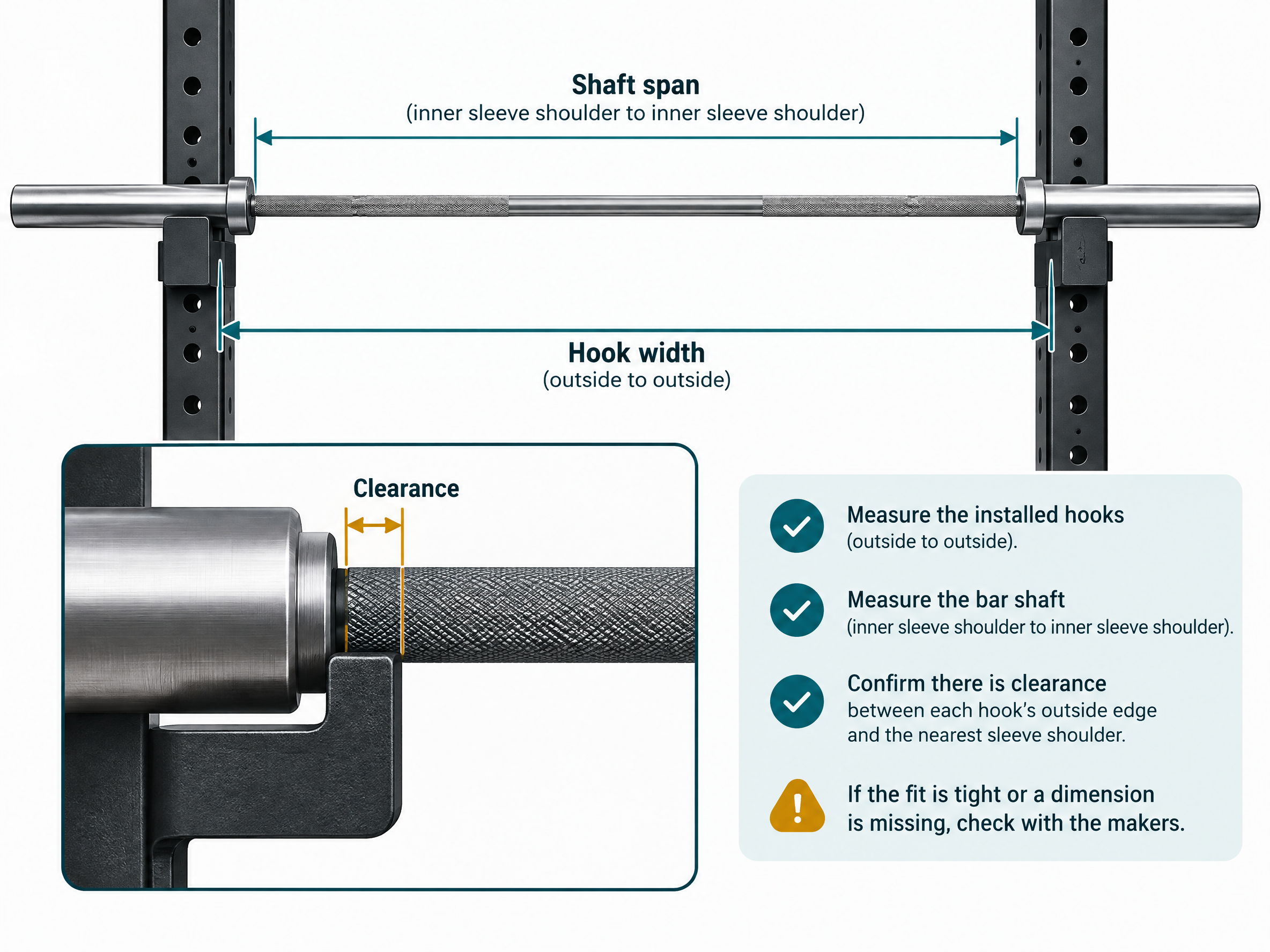
- Measure across the hooks
With the hooks installed, measure from the outside edge of one hook to the outside edge of the other.
- Find the clear shaft span
Get the distance between the inner sleeve shoulders on the exact bar. Overall length includes the sleeves, so it can’t tell you whether the shaft fits.
- Allow clearance to center the bar
The shaft should rest fully on both hooks with room on either side before a sleeve shoulder touches a hook. If the fit looks tight or a dimension is missing, confirm compatibility with the makers.
Why use a barbell for strength training?
One straight bar and a set of compatible plates can serve squats, bench presses, deadlifts, overhead presses, and rows, provided you have the setup each lift calls for. Both hands move the same load, and you can change that load without swapping out the bar.
Small matching plates let you add weight in smaller steps instead of jumping to the next large pair. That flexibility starts at the weight of the empty bar, though. If it’s already too heavy for a movement you want to practice, a lighter training bar or dumbbells are better starting options.
What owning an Olympic barbell involves
A bar that fits in a room isn’t necessarily a bar you can use there. Leave room at both ends to stand and slide plates on and off, and make sure you have a suitable surface to set the loaded bar down. For home squats or bench presses that start from a rack, plan for a compatible rack with safeties and, for bench presses, a stable bench.
Think about where the bar and plates will go between sessions, especially in a shared room. Store them somewhere dry and secure, wipe sweat off the shaft, and follow the maker’s care instructions for the finish and sleeves.
Questions before you commit
Do I need bumper plates, or will iron plates work?
Compatible iron plates are fine for lifts where you set the bar down under control. If a lift involves dropping the bar, use a bar, plates, and platform designed for drops, and check the facility’s rules. Bumper plates alone don’t make an ordinary floor suitable for dropping weights.
Why won’t all my plates fit if the holes are the right size?
You may have run out of usable sleeve length. Add up the thickness of the plates you want on each side and leave space for the collar. The bar’s load rating won’t tell you how much space the plates take up.
Does an Olympic barbell come with plates and collars?
Only count on what’s listed in the package contents for the exact option. A photo can show a loaded bar even when the plates and collars are sold separately. If you buy collars separately, choose ones specified for your sleeves.
Is it okay to buy a used Olympic barbell?
Yes, if you can identify the model, verify its load rating, and inspect it before buying. Look for a bent shaft, damaged sleeves, deep corrosion, or loose parts, and check that your plates and collars fit. If you can’t verify the rating or assess the condition, pass.
Choose your next step
Put your shortlist side by side
See the differences, tradeoffs and who each model suits.
Compare the products →Your next step
- Confirm that your plates and collars fit the sleeves.
- Verify the exact bar’s unloaded weight and load rating if the listing is unclear.
- Check rack clearance and usable sleeve length before committing.
- Budget space for loading, storage, and any rack, bench, or floor protection you need.
If you can, try an empty bar at a gym before buying. Notice how it feels in the movements you care about and how much room you use when loading and putting it away.