 Review101
How Do Doorway Pull-Up Bars Work? A Beginner’s Guide
A doorway pull-up bar gives you a place to hang and pull without a freestanding station. Here’s what holds it up, what you can do with it, and when it’s worth making room for one.
Read the article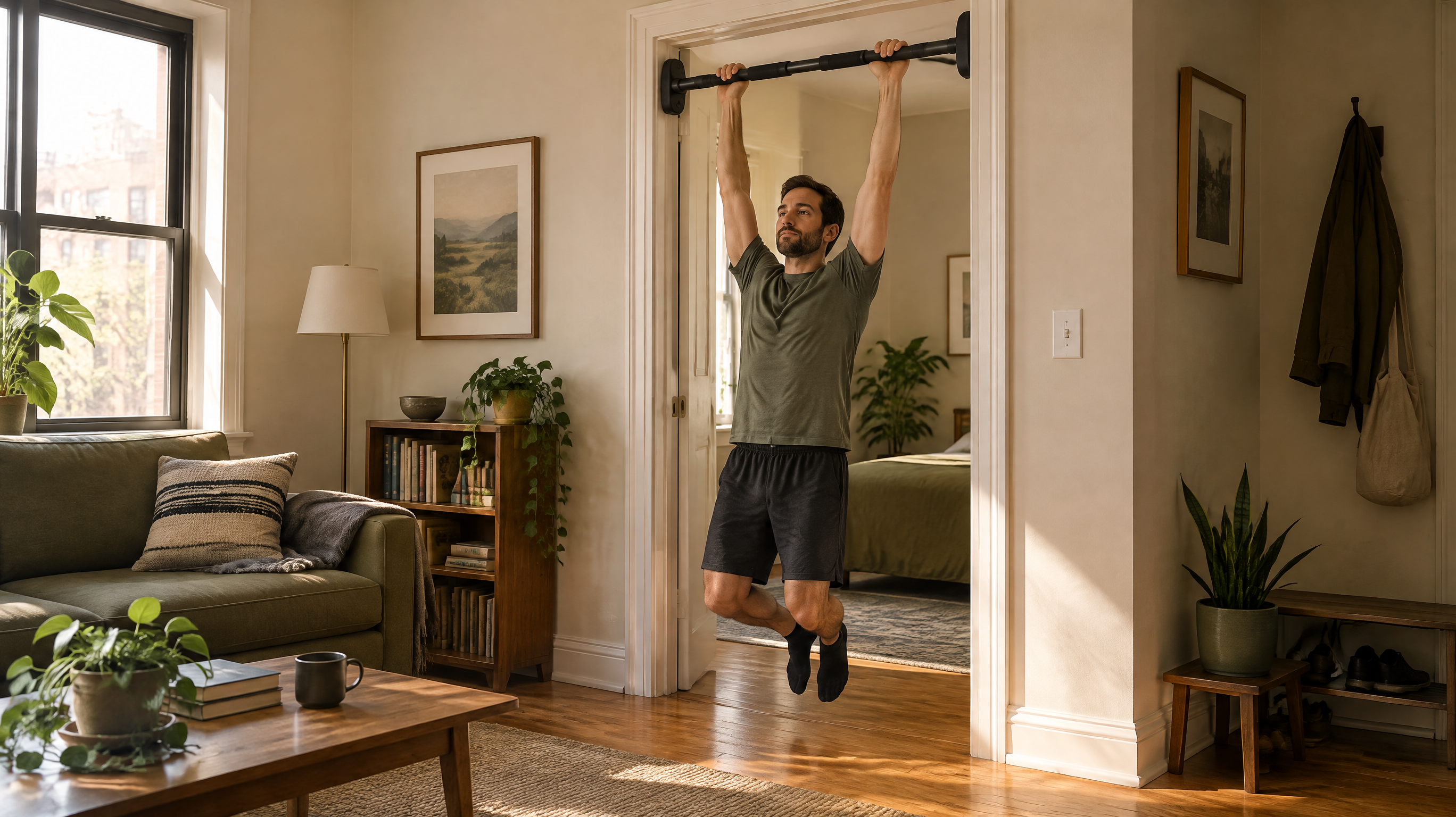
Some links may earn us a commission, at no extra cost to you. How we’re supported
In this article 7 sections
Start with your needs
You want regular practice at home and have a sound doorway that meets the mount requirements.
Use a gym or park bar if you’re unsure you’ll enjoy it, or try an assisted pull-up machine if full bodyweight feels like too much.
If the frame is unsuitable or the passage needs to stay clear, use a gym, park bar, or freestanding station if you have room.
As an Amazon Associate, we earn from qualifying purchases. Research-based analysis; no hands-on testing.
The short answer
A doorway bar is useful if getting to a pull-up bar is what keeps you from practicing and you have a compatible doorway. If you’re new to the movement or need adjustable assistance, try a gym or park setup before buying.
Worth considering if
- People who want convenient practice with controlled bodyweight pulls.
- Small homes with a suitable doorway but no room for a freestanding station.
- Beginners working toward a first pull-up who have a way to practice at their current strength level.
Hold off if
- You can’t verify that the frame and trim meet the manufacturer’s requirements.
- The only available opening is a busy passage or leaves too little room to move.
- You mainly want to do swinging movements or need equipment for a full-body routine.
Choose your next step
Ready to compare?
See the differences, tradeoffs and who each model suits.
Compare the products →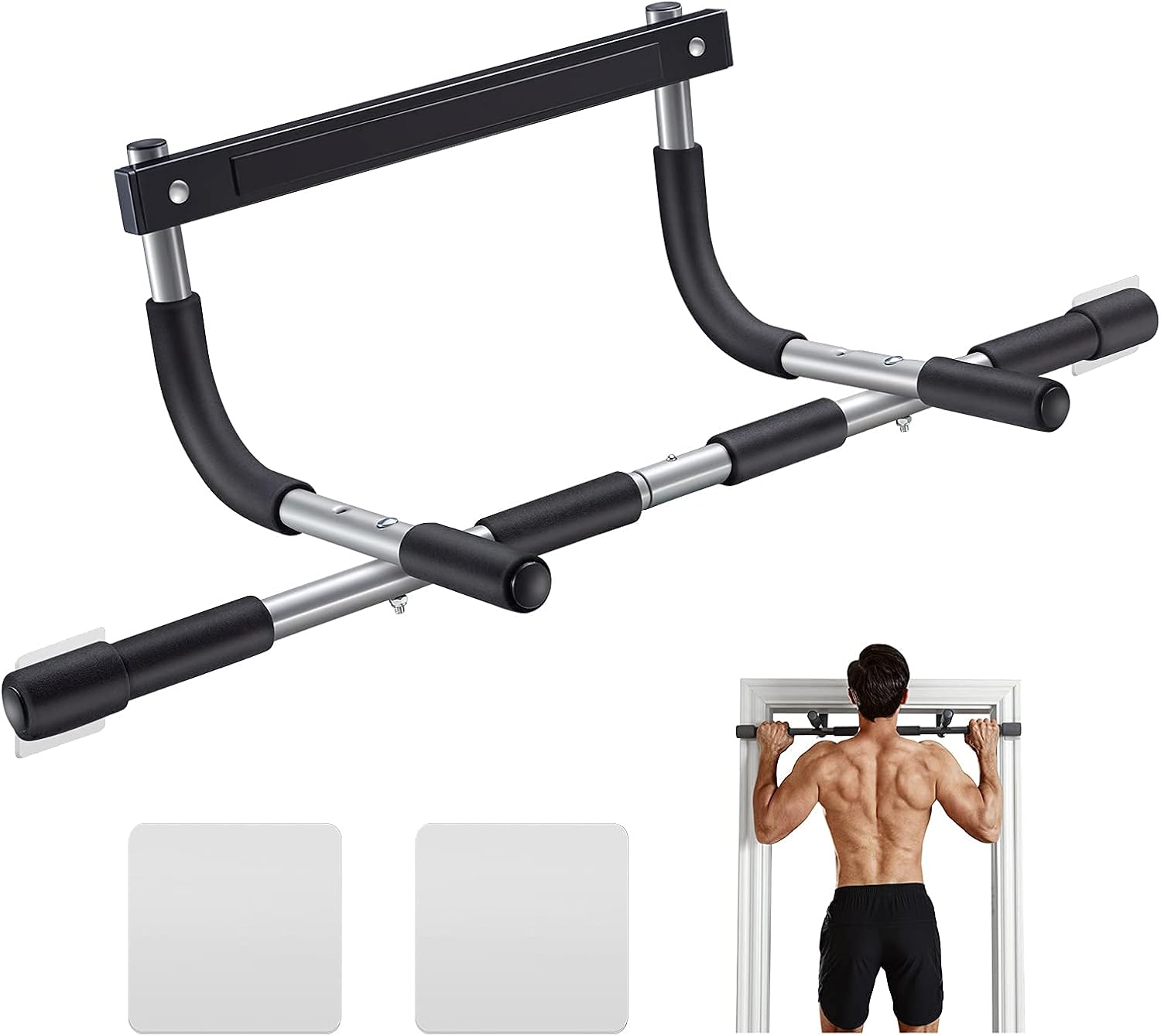
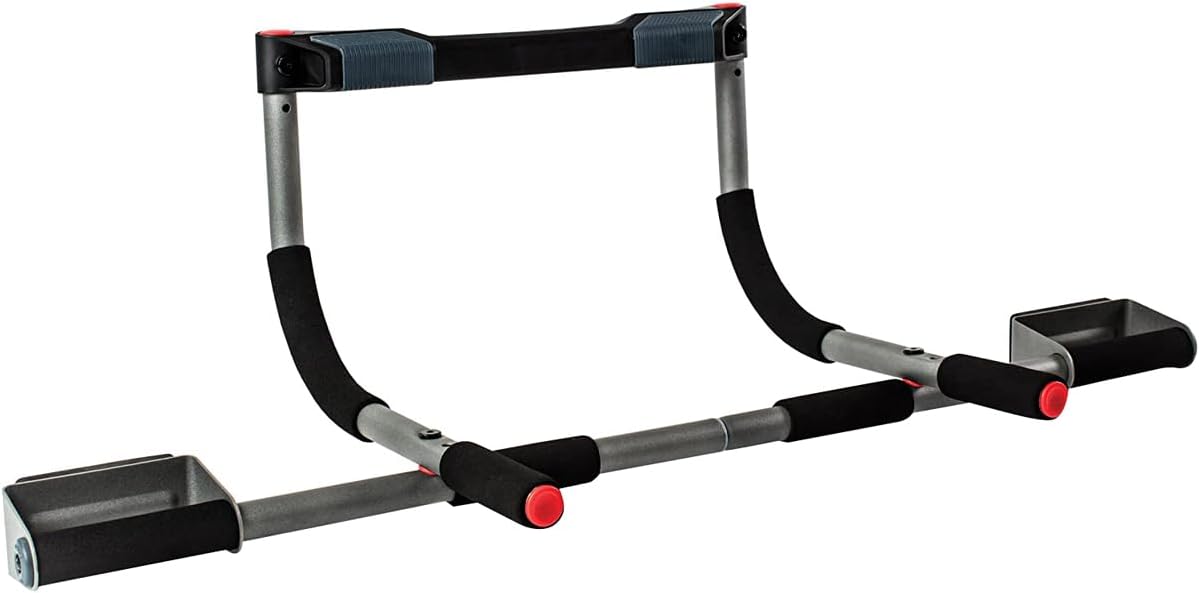

What is a doorway pull-up bar?
A doorway pull-up bar is a fixed handhold that lets you hang beneath it and pull your body upward. A compatible doorway supports the bar instead of the legs and base of a freestanding station. The bar stays still while you move.
The support comes from the frame or trim around the opening, not the moving door panel. Two openings with the same width can suit different bars: one might have a top ledge for a hook-over mount, while another has side jambs better suited to a pressure-fit design.
Narrow down the mount types that could work
See the movement
Use a short side-view clip of a controlled assisted pull and slow return. Keep the assistance mechanism in frame so viewers can see what makes the movement easier.
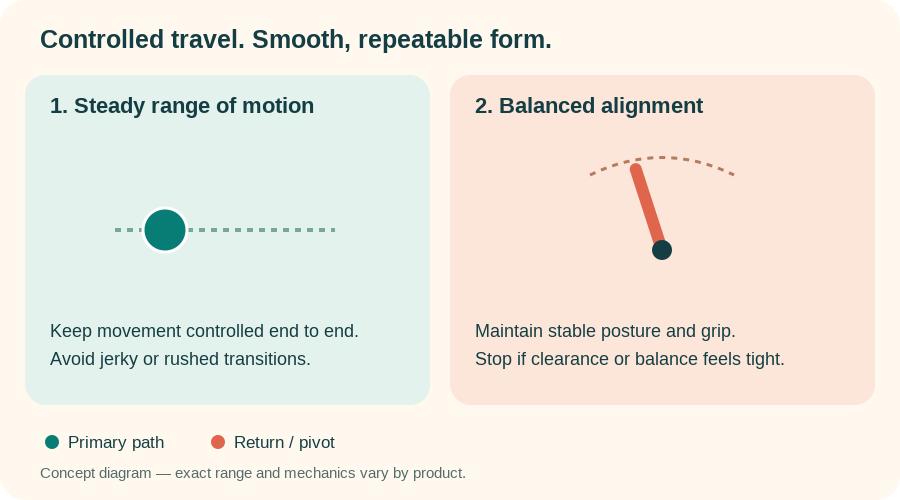
Simplified motion diagram. Exact range and mechanics vary by product.
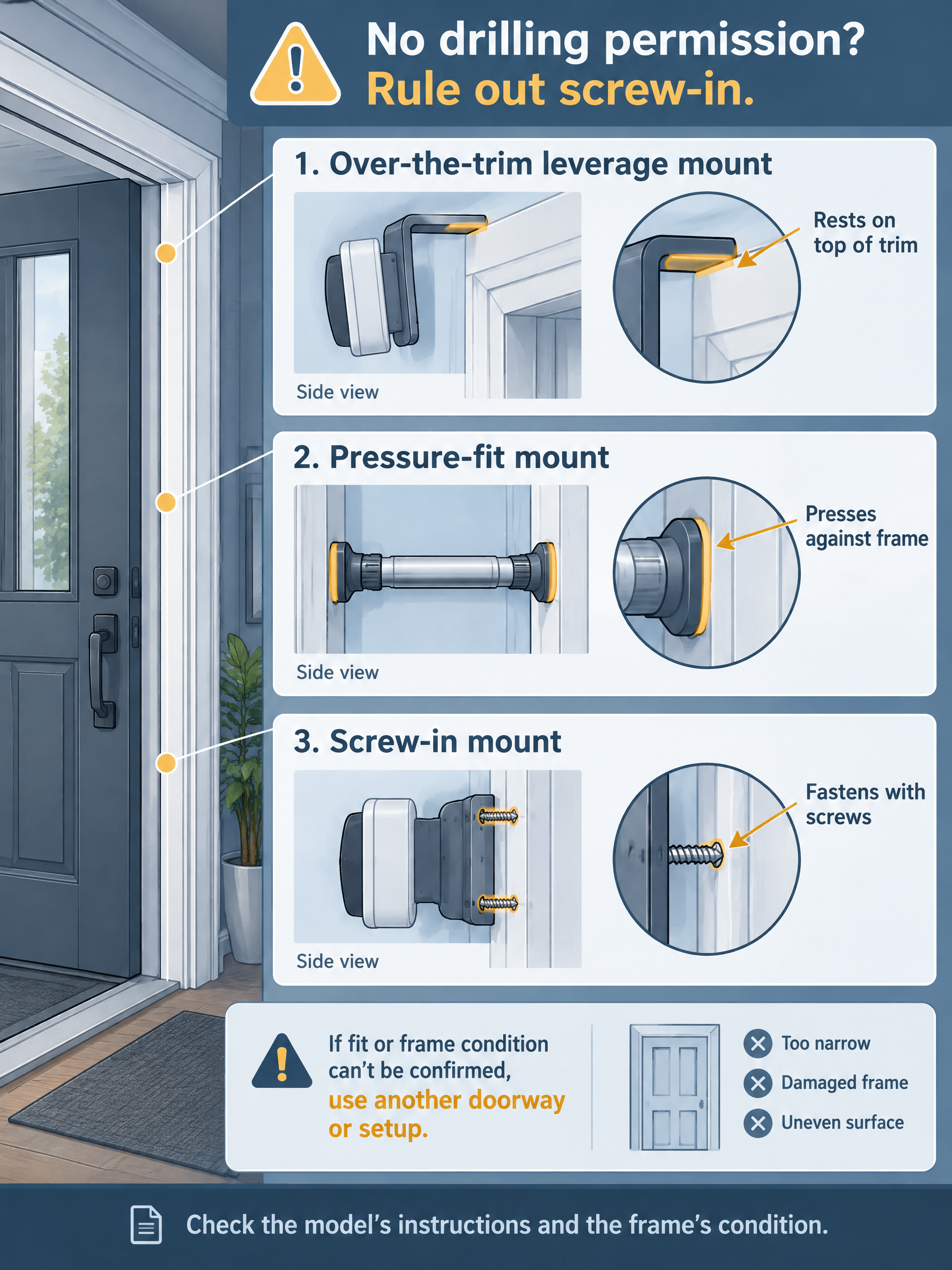
- Start with permission
If you aren’t allowed to drill into the frame, rule out screw-in mounts.
- Find the contact points
Use the installation instructions to see exactly where each candidate would rest, press, or fasten.
- Rule out poor fits
Compare those surfaces with the instructions. If you can’t confirm the fit or the condition of the frame, use another doorway or another setup.
What holds the bar in place?
The main difference is where your weight goes when you hang. “No drill” tells you how a bar installs, not how it transfers that load to the doorway.
- Hook-over: An upper piece rests on the top trim on one side of the doorway, while pads brace against the other side. When you pull down, the assembly levers against those contact points. An opening can be wide enough and still be a poor fit if the trim is too shallow or loose.
- Pressure-fit: A telescoping bar extends between the side jambs. Its end pads press outward, and friction helps keep the bar from sliding down. A lock helps keep the adjustment from backing off. The Sunny Health & Fitness Adjustable Doorway Chin-Up/Pull-Up Bar is an example of a pressure-lock design.
- Screw-in: The bar rests in mounts fastened to the frame, so the load passes through the hardware into the frame. The Garren Fitness Maximiza includes screw-in door mounts. The screws need to go into the material specified by the manufacturer, and removing the mounts leaves holes.
Choose your next step
Which model fits your needs?
See the differences, tradeoffs and who each model suits.
Compare the products →Pull-ups, chin-ups, and neutral grips
All three are forms of vertical pulling: you start below your hands, pull yourself up, then lower yourself again. In a standard pull-up, your palms face away from you. In a chin-up, they face toward you. In a neutral-grip pull-up, they face each other.
A straight bar lets you switch between palms away and palms toward you, and vary hand spacing if there’s room. For a neutral grip, you need handles that run front to back rather than across the opening. A multi-grip bar such as the Sportneer Foldable Multi-Grip Doorway Pull-Up Bar offers several hand positions, but check the handle layout for the grip you want. “Multi-grip” by itself doesn’t tell you which positions are available.
Find out what’s keeping you from practicing
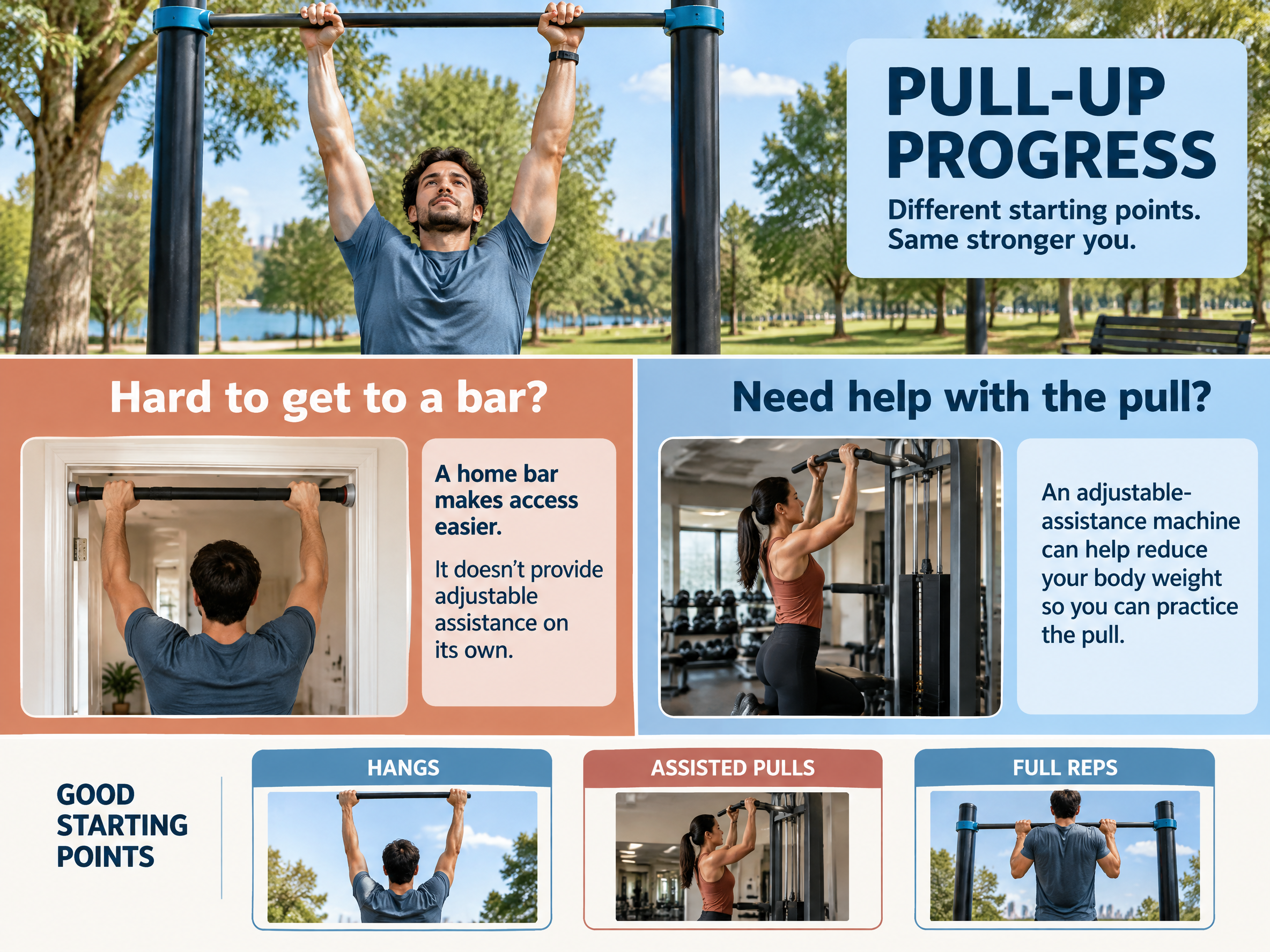
- Try a setup you can access
At a gym or park, see whether a controlled hang, assisted pull, or full rep is a useful starting point for you.
- Notice what limits you
Getting to the bar is an access problem. Needing more help to pull yourself up is a resistance problem.
- Match the setup to the problem
A home bar can make practice easier to get to. If you need adjustable assistance, keep it available in the setup you choose.
What a doorway bar adds to a home workout
The biggest benefit is access: you can practice a few controlled pulls without making a separate trip or finding floor space for a stand. You don’t need a full pull-up to make use of the bar. If the manufacturer permits it, you can practice hangs or keep some weight on your feet for assisted pulls when you have stable footing.
You still need room to move. A low bar can leave taller users bending their knees, while a bar that sits close to the frame may leave too little room for your head at the top of a rep. Some designs can come down between sessions. Others, such as the foldable Sportneer, fold for storage after you take them down.
A doorway bar gives you a place to pull, not a complete home gym. An assisted pull-up machine lets you practice the same basic movement with adjustable help, while a lat pulldown lets you train vertical pulling with a load you choose. A freestanding station avoids relying on the doorway, but it needs its own floor space.
What owning a doorway pull-up bar involves
Think about who uses the opening and when. A bar in a busy hallway may need to come down after every workout. If the door has to close normally, check whether the bar or its mounting hardware will interfere.
Check the mount before use, especially after reinstalling it. Look for shifting pads, loose hardware, or trim that moves. A listed weight limit is not a rating for your doorway, and jumping onto the bar or swinging can put more force on the mount than a controlled hang. Follow the manufacturer’s limits and permitted movements, and stop using the bar if it shifts or the frame shows damage.
Questions before you commit
Can a no-drill pull-up bar still damage a doorway?
Yes. Pads can leave impressions or rub paint, and a hook-over bar can shift trim that isn’t firmly attached. If you rent, check your lease rather than assuming no drilling means no marks.
What if my feet touch the floor when I hang?
You can bend your knees if that lets you hang comfortably and move without hitting the frame. If you have to tuck your legs tightly or keep bumping the doorway, try a taller setup.
Can I hang rings or a suspension trainer from a doorway bar?
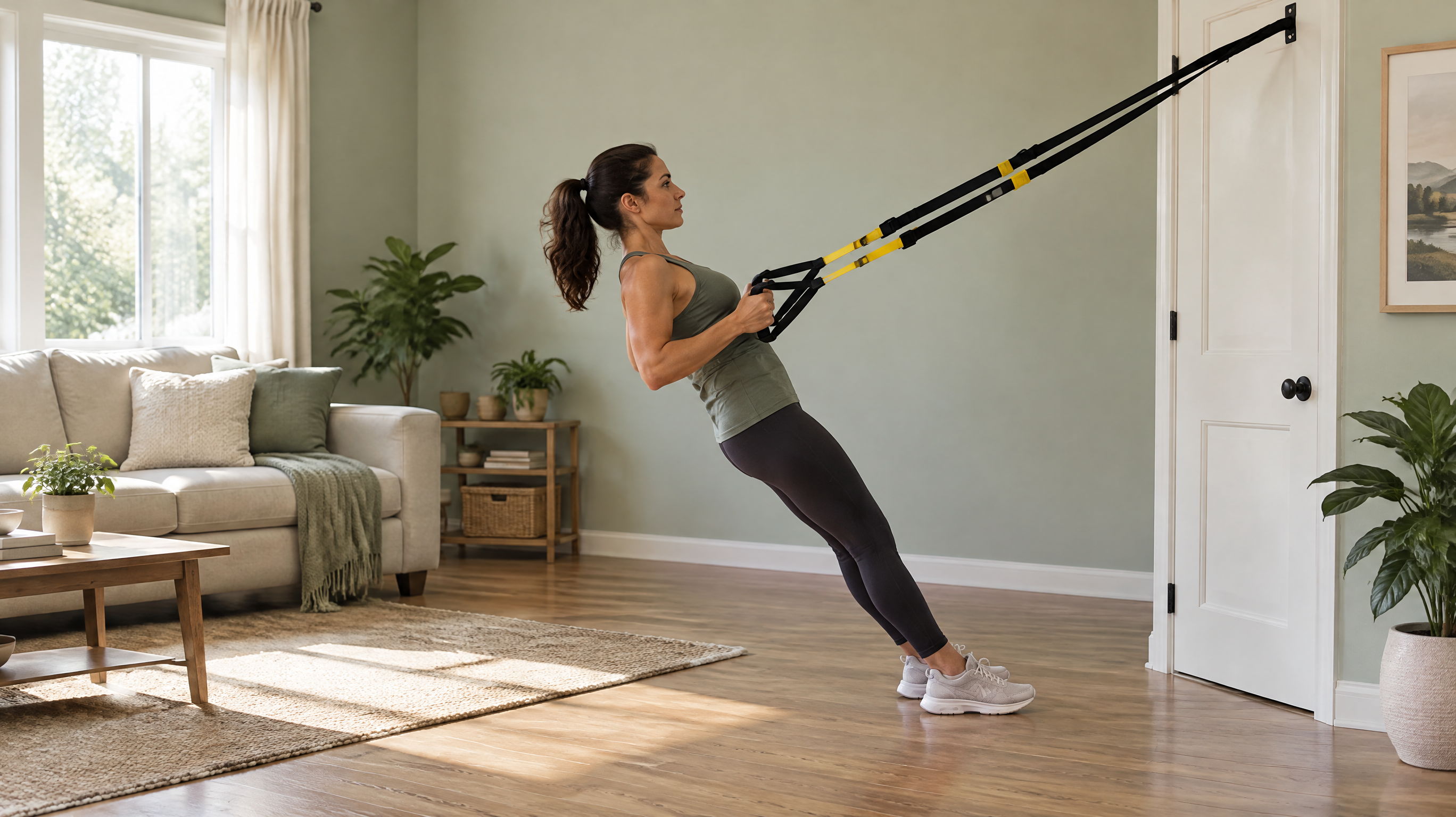
Only if the bar manufacturer explicitly permits the attachment and the exercise you plan to do. Rings and straps can pull at different angles or introduce swinging, so a bodyweight rating alone isn’t enough to judge the setup.
Can two people of different heights use the same bar?
Yes, as long as each person can reach it safely, has enough room to move, and is within the rated limit. A shorter user can use a stable step to reach the bar instead of jumping to grab it.
Choose your next step
Put your shortlist side by side
See the differences, tradeoffs and who each model suits.
Compare the products →Your next step
- Measure the clear opening at the intended mounting height, not the nominal door size.
- Check the frame and trim for cracks, looseness, or damaged contact surfaces.
- Allow room for your head and legs, and check that the door and passage can still be used as needed.
- Read the exact model’s installation instructions, load limit, and permitted movements.
If you’ll need to take the bar down after each session, give it a storage spot nearby. The easier it is to set up and put away, the more likely it is to fit your routine.