 Review101
Kettlebells for Beginners: Do You Really Need Them? Practical Ownership and Buying Guide
Find out if kettlebell training fits your goals, space, and routine. This guide covers types, choosing the right weight and handle, and what practical ownership involves—helping you make a decision with confidence.
Read the article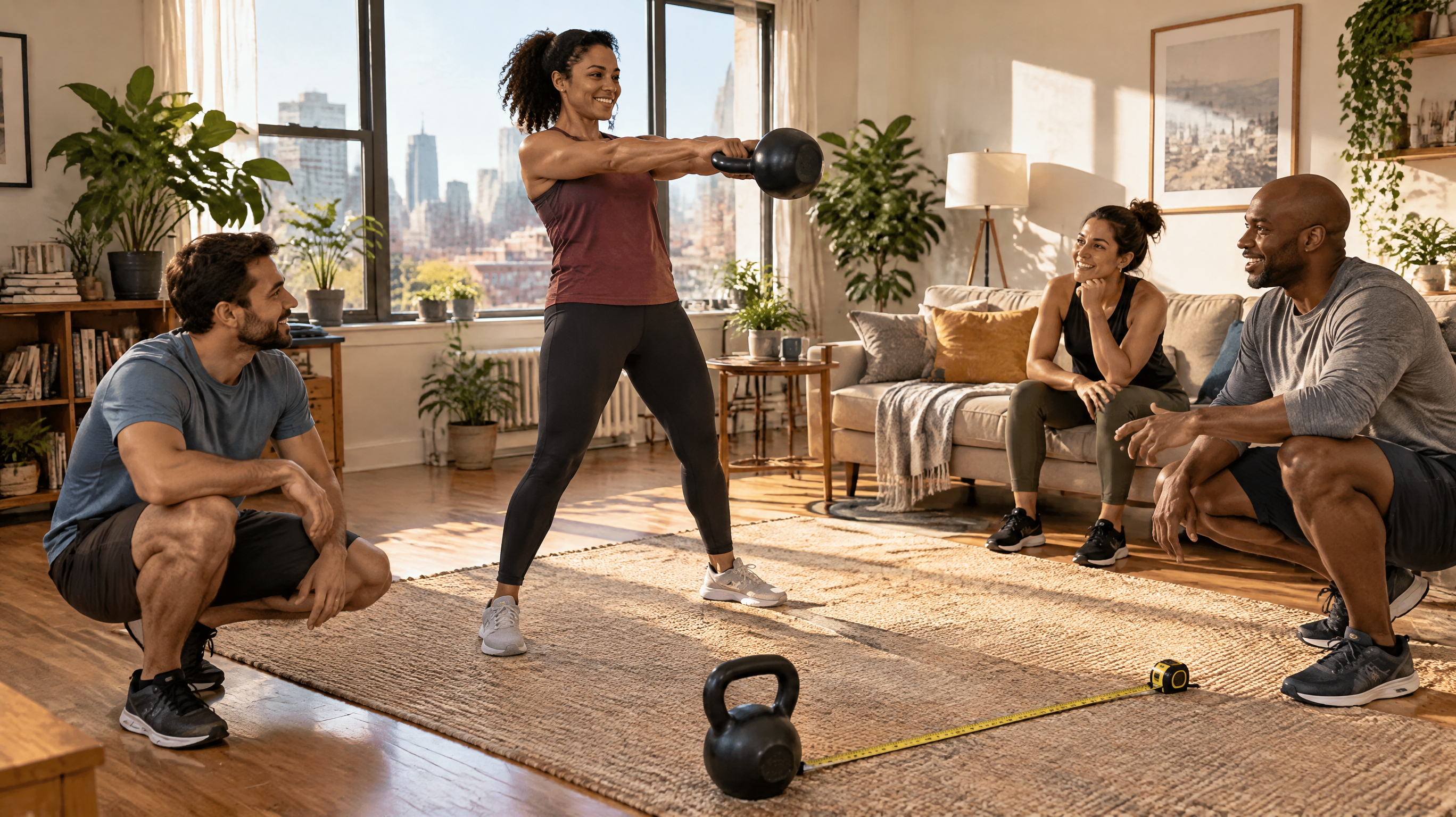
Some links may earn us a commission, at no extra cost to you. How we’re supported
In this article 7 sections
- Do You Really Need a Kettlebell? What It Is (and Isn’t) Good For
- How Kettlebells Work: Types, Basics, and Alternatives to Buying
- Fit and Sizing: What to Look for as a Beginner (Shape, Handle, and Weight)
- Ownership Questions: Storage, Safety, and Daily Realities
- Beginner Worries Answered: What Can I Actually Do, and How Do I Start Safely?
- Questions before you commit
- Your next step
Start with your needs
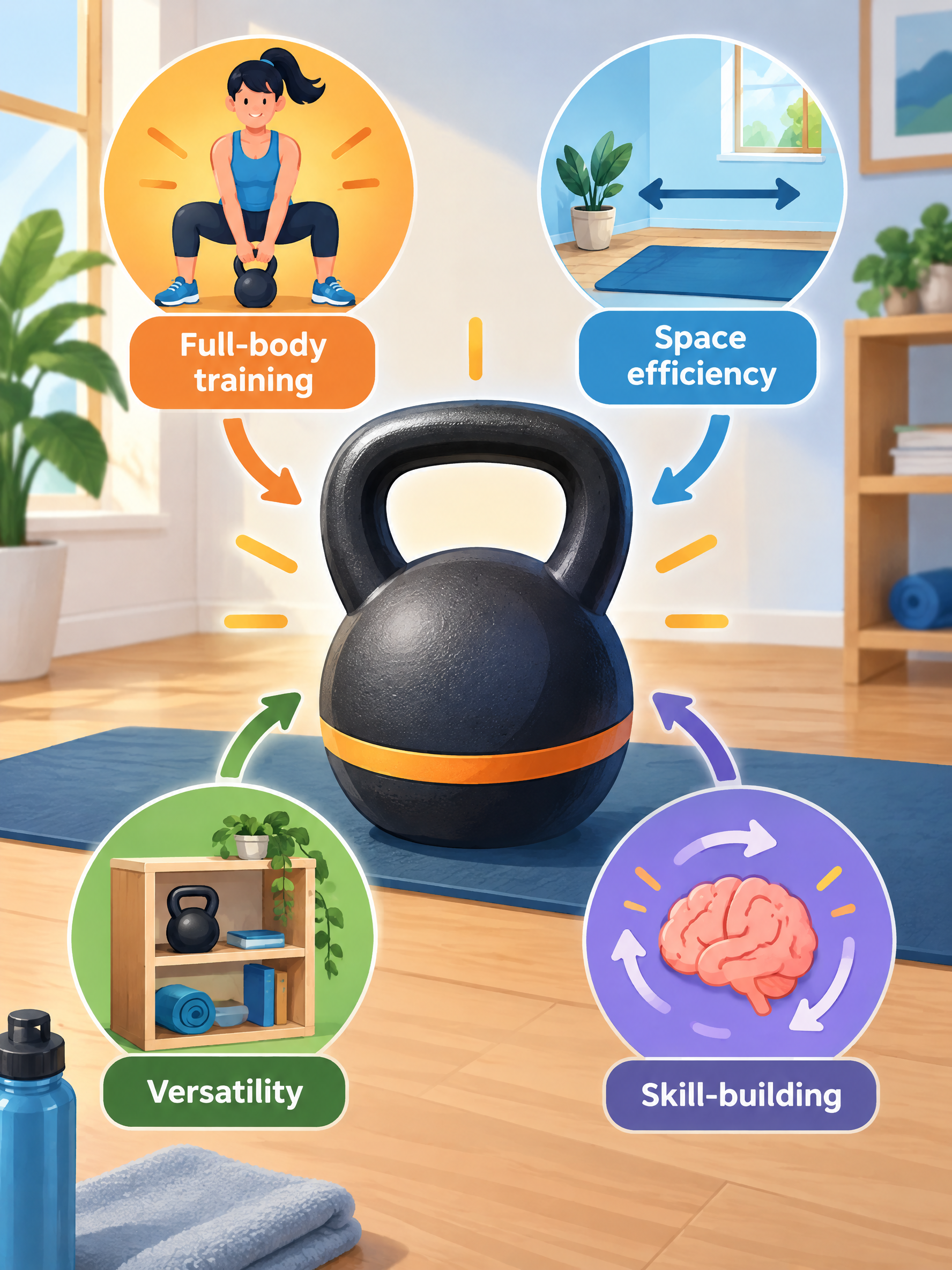
If you have enough space and enjoy dynamic movement, kettlebells make a practical and versatile training tool for home use.
Test out kettlebell classes or borrow one—especially if you’re new to strength training, unsure about floor protection, or tight on storage space.
If you’re more focused on gentle, stationary resistance exercises, starting with dumbbells or resistance bands may be easier to sustain.
As an Amazon Associate, we earn from qualifying purchases. Research-based analysis; no hands-on testing.
The short answer
Kettlebells make sense for people looking to develop strength, power, and mobility with a compact, versatile tool—provided they’re ready for the unique grip, movement, and storage demands. Not everyone needs one at home right away—alternatives and practical trial options exist.
Worth considering if
- People who want functional, full-body strength training at home
- Those with some experience or instruction in dynamic weight moves
- Small-space home gyms needing versatile equipment
- Anyone interested in learning new, challenging movement patterns
Hold off if
- You’ve never tried a kettlebell swing, Turkish get-up, or similar move
- You lack a floor surface that can tolerate dropped weights or swinging
- Your preference is slow, steady lifting with minimal movement
- Hand, wrist, or shoulder injuries make gripping or swinging difficult
Choose your next step
Ready to compare?
See the differences, tradeoffs and who each model suits.
Compare the products →


Do You Really Need a Kettlebell? What It Is (and Isn’t) Good For
Before buying, ask yourself what you want from your training—and how much you enjoy dynamic movement. Kettlebells excel at swings, cleans, Turkish get-ups, and similar moves that blend strength, coordination, and cardiovascular training in a single compact tool. They’re especially popular for full-body workouts and building explosive power.
However, routine dumbbell training can achieve many of the same benefits, particularly for those focused only on pure strength, isolation exercises, or traditional gym moves. If you’re simply looking for gentle resistance or have limited space for dynamic overhead or swinging motions, you might not need a kettlebell at all.
Kettlebells work best for those ready to practice the unique techniques—if you’re brand new to any strength training, it’s wise to try a kettlebell workout elsewhere first. Meanwhile, if you have hand, wrist, or shoulder limitations, or expect to move slowly or with poor balance, a standard dumbbell or resistance band may be the better initial step.
Deciding if a Kettlebell Fits Your Space and Routine
- Assess Your Space
Measure a clear area for swinging—a safe radius on all sides is essential (even more than for dumbbells).
- Consider Your Goals
Do you want to build power and coordination, or just lift with minimal movement? Kettlebells work best for dynamic, multi-joint routines.
- Try Before Buying
Borrow or try a gym kettlebell to get a feel for the motion and comfort before purchasing your own.
How Kettlebells Work: Types, Basics, and Alternatives to Buying
The basic kettlebell design is a ball with an arched handle, making swinging and changing hand positions easy—this is what sets it apart from a dumbbell’s straight handle. You’ll find a few main types:
- Fixed-weight cast iron or steel, which offer durability and a traditional feel.
- Adjustable kettlebells, which allow you to change weights quickly, great for small spaces or sharing among users.
- Coated, soft, or vinyl versions, which are easier on floors and sometimes less intimidating for beginners.
Don’t buy immediately if you’re unsure: borrow one at a gym or join a group session to get a sense for the grip and motion. Some home gyms or sports stores may rent kettlebells, and you can even improvise some movements with a weighted bag or jug at home. If you discover you love the feel and flow, only then consider investing.
Choose your next step
Which model fits your needs?
See the differences, tradeoffs and who each model suits.
Compare the products →Fit and Sizing: What to Look for as a Beginner (Shape, Handle, and Weight)
Not all kettlebells are the same to hold or swing. As a beginner, prioritize the handle: look for one that offers enough width for both hands, especially for two-handed exercises, with a comfortable thickness for your grip. Very narrow or slick handles are hard to control if your hands get sweaty.
Next comes weight selection. Many recommend starting with a lighter kettlebell to learn technique (often between 8–20 lbs, depending on your strength and which movements you want to do). Adjustable models let you start light and grow, while sets provide options but require more space.
Material matters:
- Traditional cast iron is sturdy but may damage floors.
- Vinyl or soft-sided bells are gentler on surfaces and quieter, while powder or PU coatings provide extra grip and protection.
Choosing Your First Kettlebell: Size, Handle, and Material
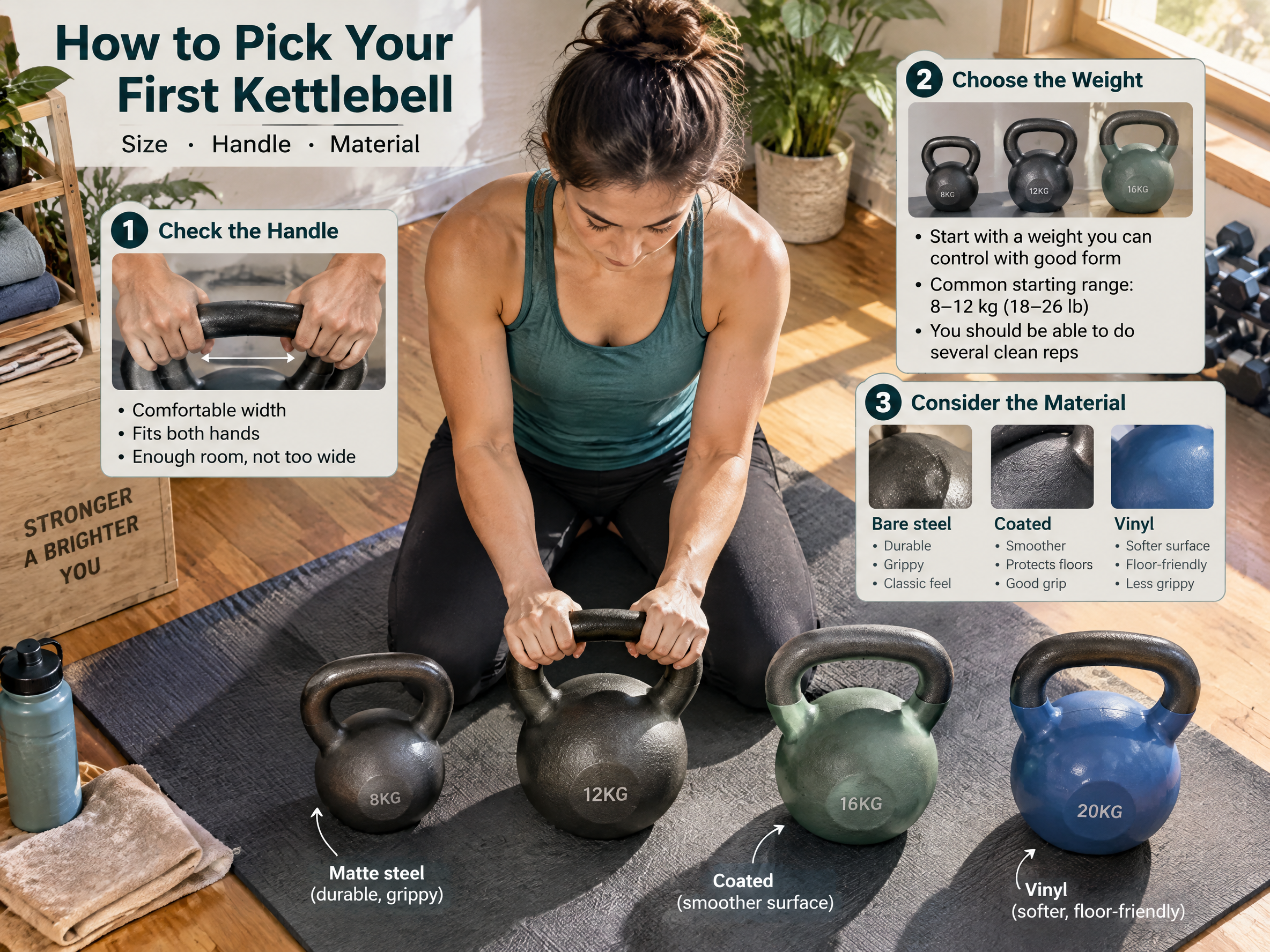
- Check Grip Comfort
Hold the handle with both hands to ensure enough space and good grip texture.
- Pick a Starter Weight
Select a weight that feels light enough to control for at least 8–10 reps of common moves, but challenging.
- Choose Surface Wisely
Soft, vinyl, or coated bells reduce risk to floors and add comfort—great for apartments or shared spaces.
Ownership Questions: Storage, Safety, and Daily Realities
Kettlebells don’t require a full gym setup, but they’re not ‘invisible’ either. Plan for a spot with a hard, stable floor—kettlebells can dent carpet and scuff hardwood, especially cast iron models. Floor mats or rubber tiles protect against drops. Vinyl- or soft-sided kettlebells reduce noise and prevent nicks in your flooring (and shins).
Adjustable kettlebells save space but have moving parts—expect more time spent on adjusting weight and, sometimes, extra rattling noise. Cement-filled or budget alternatives tend to be bulkier, less durable, and sometimes harder to grip. Most kettlebells are genuinely portable—stowing them in a closet or under a bench works well. Just remember: even one kettlebell is awkward to move repeatedly, and sets multiply the storage needs.
Beginner Worries Answered: What Can I Actually Do, and How Do I Start Safely?
You might wonder if you can get a real workout, or if kettlebells are too risky for a first-timer. In reality, most beginners can learn the fundamentals safely with close attention to grip, posture, and gradual progress. Common exercises include deadlifts, two-handed swings, goblet squats, and presses. Many online tutorials and fitness classes cover these basics for all fitness levels.
Hand discomfort is a real concern, especially with rough handles or high-rep workouts. Chalk, gloves, or choosing a vinyl/soft model can improve comfort. Avoid starting with advanced moves—stick with slow, controlled repetitions, maintain a flat back, and pause if you feel pain. If you’re ever unsure, start light and consider a session with a coach until you feel confident. No need to rush: focus on form before adding weight or reps.
Questions before you commit
Can I use a kettlebell if I don’t have much space?
It’s possible, but you need a bigger clear area than you might expect, especially for swings or moves above shoulder height. If you have only a small space, consider compact exercises or alternatives like dumbbells.
How heavy should my first kettlebell be?
Start with a weight you can control for all the major moves you plan, often 8–20 lbs for most beginners. Adjustable kettlebells are useful if you want one tool for gradual progress.
Do vinyl or soft kettlebells feel different from cast iron?
Yes; vinyl and soft models are often bulkier and quieter, with a bit more surface grip and less impact on your floor or skin. Cast iron feels more traditional and compact but can be noisier and less forgiving of bumps.
Is it hard to learn kettlebell technique as a complete beginner?
With slow, careful practice—ideal with video, in-person demos, or coaching—most beginners pick up the basics surprisingly quickly. Just avoid trying advanced exercises too soon and always focus on form first.
Are kettlebells noisy?
Some are: cast iron and adjustable kettlebells make the most noise when set down or moved quickly, while vinyl- or soft-sided types help reduce both sound and impact.
Choose your next step
Put your shortlist side by side
See the differences, tradeoffs and who each model suits.
Compare the products →Your next step
- Try kettlebell moves with a borrowed one or at a gym session before buying
- Measure your home workout space for swinging clearance on all sides
- Check the width and feel of the kettlebell handle for your grip
- Pick a beginner-friendly weight—don’t go too heavy
- Plan storage and consider floor protection options
- Inspect the surface for comfort and safety (cast iron vs. vinyl vs. soft)
- Make sure you can lift and move the kettlebell comfortably for storage
If you want a compact, powerful tool for functional strength and dynamic routines, a kettlebell could be a great addition. Take your time: try before you buy, pay attention to handle comfort and material, and focus on safe, practical technique as you get started.