Review101
Beginner’s Guide: Do You Really Need a Home Treadmill? How They Work & What to Consider
A hands-on, practical breakdown for first-time buyers: should you own a home treadmill, what to expect in daily use, alternatives, and how to make it fit your space and life.
Read the articleSome links may earn us a commission, at no extra cost to you. How we’re supported
In this article 7 sections
- Should a Beginner Get a Treadmill? (Or Try Alternatives First?)
- How Home Treadmills Work: The Features That Matter Most
- Alternatives to Buying Your Own Treadmill (with Pros and Cons)
- Choosing the Right Fit and Space—How Much Room, What Size, and Typical Setup Hurdles
- Ownership Q&A—Care, Costs, and What Surprises Most New Users
- Questions before you commit
- Your next step
Start with your needs
If you enjoy treadmill walking/running, have dedicated space and routine, and prefer at-home flexibility, a treadmill can be a great addition.
If you’re not sure about the motion or commitment, try a gym treadmill first or borrow one before buying.
If space is tight, you dislike repetitive indoor workouts, or you have reliable outdoor routes, alternatives like outdoor walking or a gym membership likely make more sense.
As an Amazon Associate, we earn from qualifying purchases. Research-based analysis; no hands-on testing.
The short answer
A home treadmill suits people seeking accessible, weatherproof walking or running without travel—but only if you have the space, enjoy the motion, and will genuinely use it. Try the experience before committing and consider alternatives if you’re short on room or unsure about the routine.
Worth considering if
- People prioritizing at-home convenience
- New exercisers who want consistent weatherproof access
- Those with unpredictable schedules or mobility needs
Hold off if
- You’re uncertain if treadmill exercise is enjoyable for you
- Your living space makes setup/storage awkward
- You want more exercise variety or prefer outdoor routines
Choose your next step
Ready to compare?
See the differences, tradeoffs and who each model suits.
Compare the products →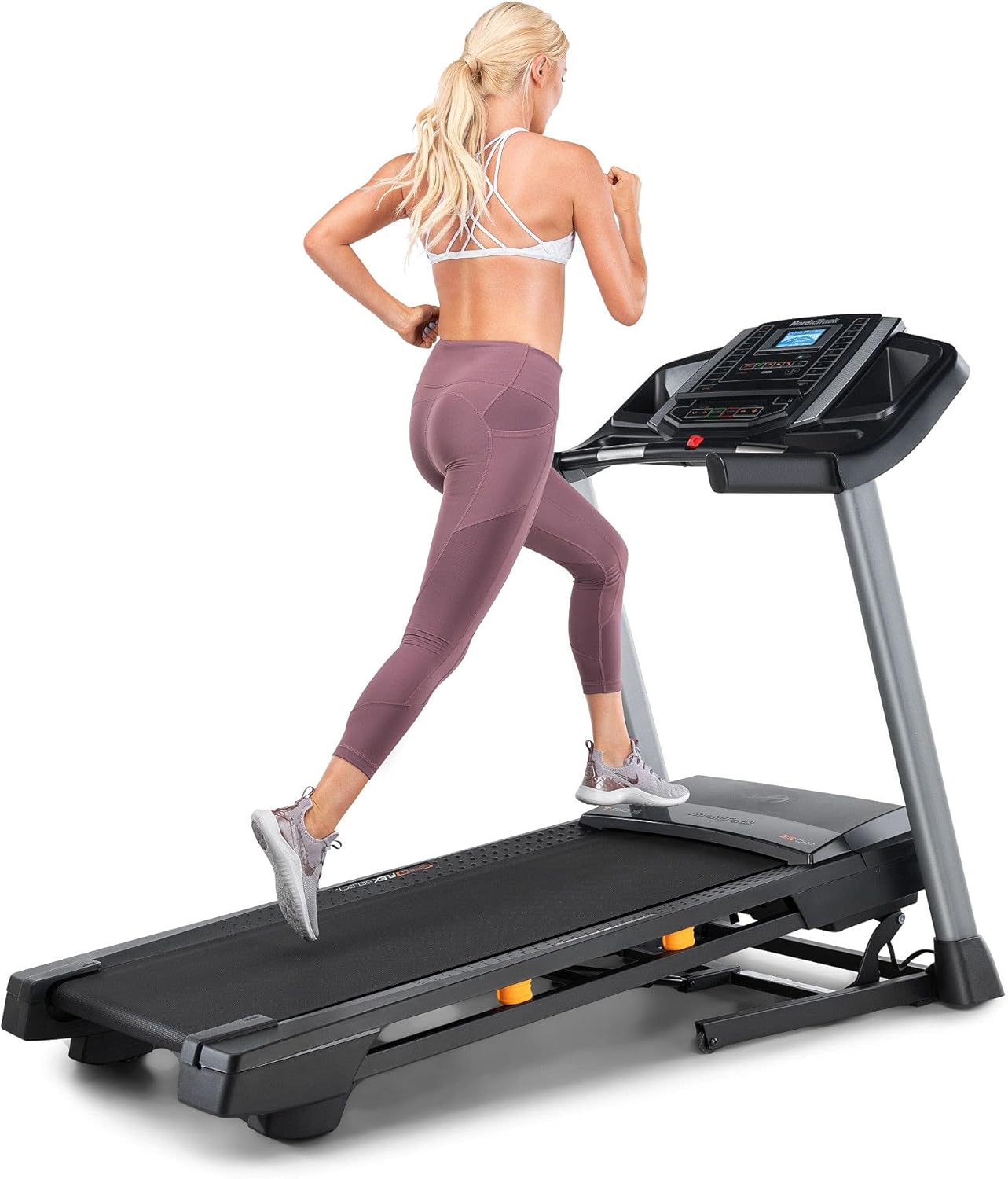


Should a Beginner Get a Treadmill? (Or Try Alternatives First?)
Owning a home treadmill is all about convenience—you can run or walk anytime, regardless of weather or daylight. If you struggle to get to a gym, strongly prefer walking or running, and want the discipline of a machine that's always ready, a home treadmill might be worth it. But for many first-timers, there are easier starting points.
Before buying, ask yourself: Do you enjoy walking or jogging on a belt? Try one at a gym or sporting goods store to check if the treadmill motion feels natural to you. Not everyone likes the sensation or the noise. Also, treadmills can be large, heavy, and not very portable. If you have reliable outdoor routes, walk outside first or sample gym treadmills for a month to see if you stick with the habit.
Dedicated walkers, new runners, or anyone with unpredictable work schedules may find home treadmills genuinely useful. But if you mainly need variety or don’t want a big machine taking up floor space, alternatives like outdoor exercise or an inexpensive gym pass might be your best first step.
- Great if you want year-round, anytime access to walking/running
- Essential if you can’t easily get outside or to a gym
- Skip if you dislike treadmill motion, dislike repetitive routines, or lack space
Deciding If a Home Treadmill Is Right for You
- Step 1: Try Treadmill Walking/Running
Visit a gym or retail store to experience treadmill motion and check if it suits your stamina and comfort.
- Step 2: Assess Space and Noise
Measure your available room, imagine the noise, and consider if the machine will realistically fit your routine.
- Step 3: Compare With Alternatives
List other options, such as outdoor walks or a gym pass, and decide if home ownership genuinely offers more benefits.
How Home Treadmills Work: The Features That Matter Most
Home treadmills are straightforward: you walk or run on a moving belt powered by a motor. You control speed and, on many models, incline. Almost all home units offer easy speed adjustments and have safety-stop keys; many can be folded up when not in use.
Important hands-on features include the display (which shows speed, time, and sometimes heart rate), quick buttons or knobs for changing speed/incline, and a cushioned deck. Cushioning softens your foot strike compared to outdoor pavement, which feels different to every walker or runner. Some treadmills, like the NordicTrack T 6.5 S, offer both speed and incline changes right from the console, making workouts more interesting or challenging.
Don’t get distracted by too many flashy “programs”—most beginners end up using manual mode, adjusting as they go. If music and entertainment keep you moving, models with Bluetooth audio or a spot for your tablet may help.
- Key features are motorized belt, speed/incline controls, deck cushioning, and clear display
- Easy speed/incline adjustment is more valuable than built-in programs for most beginners
- Foldable frames help with storage, but measure carefully
Choose your next step
Which model fits your needs?
See the differences, tradeoffs and who each model suits.
Compare the products →Alternatives to Buying Your Own Treadmill (with Pros and Cons)
Before you buy, weigh whether owning is truly right. A home treadmill is a big commitment in both money and space. Cheaper and more flexible alternatives include trying local gym treadmills, which let you experiment with higher-end models and socialize at minimal cost.
Neighborhood walking or running is free and mixes up your routine with changing scenery. There are also walking/running programs available via smartphone apps, some of which use audio to structure an outdoor workout.
If you aren’t sure about long-term use, consider borrowing a treadmill from a friend or renting one first. Many discover they use home treadmills less than expected once the initial excitement fades.
- Try a gym pass: flexible, no space demands
- Outdoor walking/running: zero cost, fresh air
- Borrow or rent: risk-free testing
Basic Treadmill Use and Care
- Step 1: Plug In and Set Up Safely
Place the treadmill on a level surface, plug it in, and keep the safety key handy.
- Step 2: Start With Low Speed and Adjust Gradually
Begin walking at a slow pace, use the console to try out speed and incline changes until comfortable.
- Step 3: Wipe Down and Maintain Regularly
After each session, wipe the belt and deck; check the manual for periodic lubrication and general care.
Choosing the Right Fit and Space—How Much Room, What Size, and Typical Setup Hurdles
Home treadmills are not one-size-fits-all. Most models aimed at adults are about 5–6 feet long and 2.5–3 feet wide—enough room for a natural stride, but a substantial footprint in a small room. For instance, the NordicTrack T 6.5 S measures 73.5" by 36" at full size, and its folded dimensions (for storage) still require over 6 feet of length, although the height drops for easier tucking away.
Remember, the folding feature makes storage easier but doesn’t make the machine light or small to move. Treadmills typically weigh over 150–200 pounds. You’ll need dedicated floor space, solid flooring, and a power outlet nearby.
Noise is another practical concern. Even “quiet” models produce a steady hum and footfall sounds. If your living space isn’t separate from bedrooms or neighbors’ walls, be realistic about your routine. Rolling wheels sometimes help with repositioning, but most machines are not moved often day to day.
- Confirm dimensions—full use and folded—before you buy
- Plan for weight, noise, and a nearby outlet
- Check you can walk/run with good posture (not cramped) in your chosen spot
Ownership Q&A—Care, Costs, and What Surprises Most New Users
First-time treadmill owners often ask about daily care and ongoing costs. Treadmills are plug-in, motorized machines: unplug after use for safety. Most use about the same amount of power as a clothes iron during operation (for example, the NordicTrack T 6.5 S draws 400 watts).
Cleaning and belt upkeep matter if you want smooth, quiet performance. Wipe the belt after every session, clear the floor underneath regularly, and occasionally apply treadmill lubricant (typically included).
Many folding models, once assembled, are not easy to tuck away after every workout. Repeated storage and unfolding can be awkward. Space-saving designs help, but measure storage height as well as floor area.
Expect to budget a small amount for future upkeep—belt lubrication, basic repairs, and maybe a replacement safety key or power cord if lost.
- Unplug after use; keep area dust-free
- Wipe down belt, lube occasionally as in manual
- Moving and folding is practical but not effortless
Questions before you commit
Do I need a full-size treadmill, or will a small folding one work?
For most beginners, a compact or folding treadmill will cover walking and light jogging needs, provided you can stride comfortably. Only choose a full-size model if you need a longer deck or plan to run at higher speeds regularly.
How noisy are home treadmills? Will they bother neighbors?
All treadmills create noticeable hum and footstep noise, even so-called 'quiet' models. If you share walls, run at odd hours, or live in upper-level apartments, test placement and routines to see if it’ll cause issues.
How much maintenance does a treadmill require?
General care is minimal—a quick wipe-down after each use and belt lubrication every few months keeps most models working well. Check your owner's manual for the specific routine and stick to it to avoid future repairs.
Is it hard to move or fold a treadmill for storage?
Most folding treadmills are still quite heavy and not easy to move daily. Folding is best for occasional storage or freeing up space, not for putting the treadmill away completely after every use.
What should I do before buying any treadmill?
Try the treadmill experience at a gym or local store—and carefully measure your intended space with real doors and furniture in place. This practical step prevents surprise regrets after purchase.
Choose your next step
Put your shortlist side by side
See the differences, tradeoffs and who each model suits.
Compare the products →Your next step
- Try a treadmill motion before buying—at gym or store
- Measure your dedicated space with doors/furniture in place
- Confirm outlet access, floor support, and storage height
- Budget for belt lubricant, periodic cleaning, and minor parts
- Commit honestly to a routine, or try a short-term alternative first
Home treadmills can be an excellent fit for walkers and runners who have the space and will actually use them. Take time to experience the treadmill motion, check room size, and be honest about your motivation and lifestyle. This approach ensures you get real value from your investment.